
Why Heating Problems Show Up After Months of Cooling
Miami-Dade's climate keeps air conditioning running for most of the year. The wet season from May through October brings high humidity and frequent afternoon thunderstorms, and the drier months are mostly mild. As a result, the heating side of your system may go untouched for most of the year.
Idle parts are where the trouble starts. Dust settles on heat strips. Electrical contacts corrode in humid air. A heat pump's reversing valve, which switches the system between cooling and heating, can stick after a long stretch in one position. Storm season adds its own risk. Thunderstorms and the hurricane season, which runs from June 1 to November 30, bring power surges and outages that can damage control boards and relays. You may not notice that damage until the first time you ask for heat.
Common Heating Problems We Repair in West Miami Homes
These are the issues we see most often in homes with heat pumps and electric air handlers:
- The heat pump blows cool or room-temperature air in heat mode. This is often a reversing valve or solenoid problem.
- Auxiliary or emergency heat strips don't turn on. The usual causes are a failed element, sequencer, relay or limit switch.
- A burning or electrical smell lasts well past the first few minutes of use.
- The breaker trips as soon as the heat comes on.
- The outdoor unit ices over and doesn't clear, which points to a defrost control or sensor issue.
- The thermostat calls for heat but the system never responds, or the thermostat was wired for cooling only during a past replacement.
- The system short cycles, turning on and off every few minutes.
Quick Checks Before You Schedule
A few simple checks can rule out the easy causes:
If you smell something electrical or see scorch marks, turn the system off at the thermostat and schedule a repair. Don't keep running it.
- Confirm the thermostat is set to Heat, not Cool or Auto, and that the setpoint is higher than the current room temperature.
- Replace the thermostat batteries if it uses them.
- Check the breakers for both the indoor air handler and the outdoor unit.
- Look at the air filter. A clogged filter can make heat strips overheat and shut off.
- Expect a faint dusty smell the first time the heat runs each season. It should fade within minutes.
What Happens During a Heating Repair Visit
Our technician starts by confirming how your home is heated: a heat pump, an air handler with electric strips, or both working together. We run the system in heat mode and measure the air temperature at the supply and return. We also check the electrical draw on the heat strips and the outdoor unit, and inspect the wiring, relays and thermostat connections.
Before any work begins, we explain what we found and what the repair involves so you can decide how to proceed. If a part has to be ordered, we'll tell you what to expect and how to use the system safely in the meantime. For example, you may be able to run emergency heat if the heat pump side is down but the strips still work.
Repair or Replace Your Heat Pump?
Most heating problems in South Florida homes can be repaired. Replacement may be worth considering if your heat pump is older, needs a major component like a compressor, or struggles in both seasons. Because a heat pump also handles your cooling, this decision affects your comfort year-round, not just on a few cool nights.
If you do replace, Florida Power & Light's Residential HVAC program offers rebates on qualifying high-efficiency central air conditioners and heat pumps. These rebates are provided through participating contractors at the time of installation, and we confirm the program's current terms before including anything in a quote. Note that the federal Energy Efficient Home Improvement Credit (25C) covered only qualifying heat pumps placed in service before December 31, 2025. It is not available for installations now.
Heating Repair in West Miami and Nearby Areas
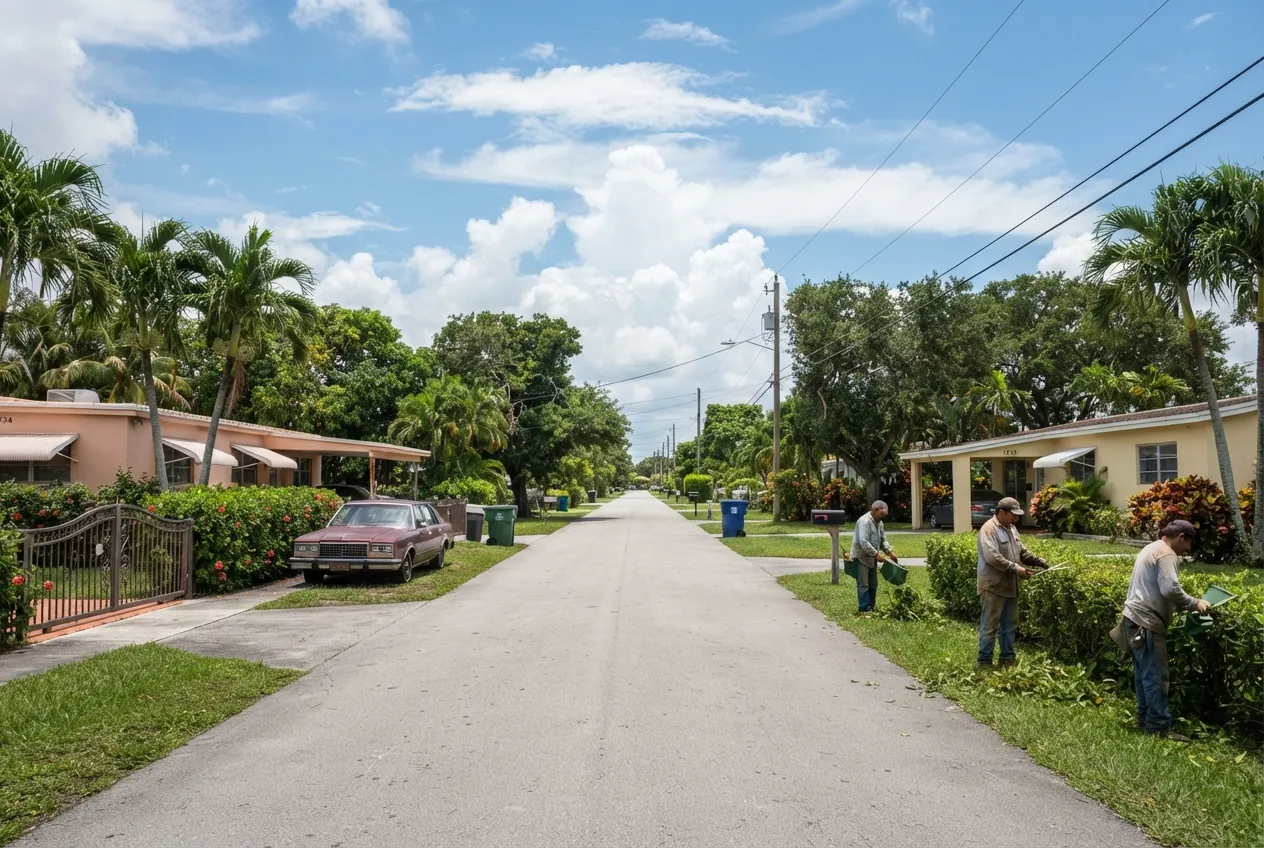
West Miami is about 10 miles west of our Miami Beach base. We also handle heating repair in nearby South Miami, Miami Springs, Coral Gables, Miami and Opa-locka. Heating calls pick up once the cooler months begin, so a quick check in the fall can catch problems before the first cold night.