
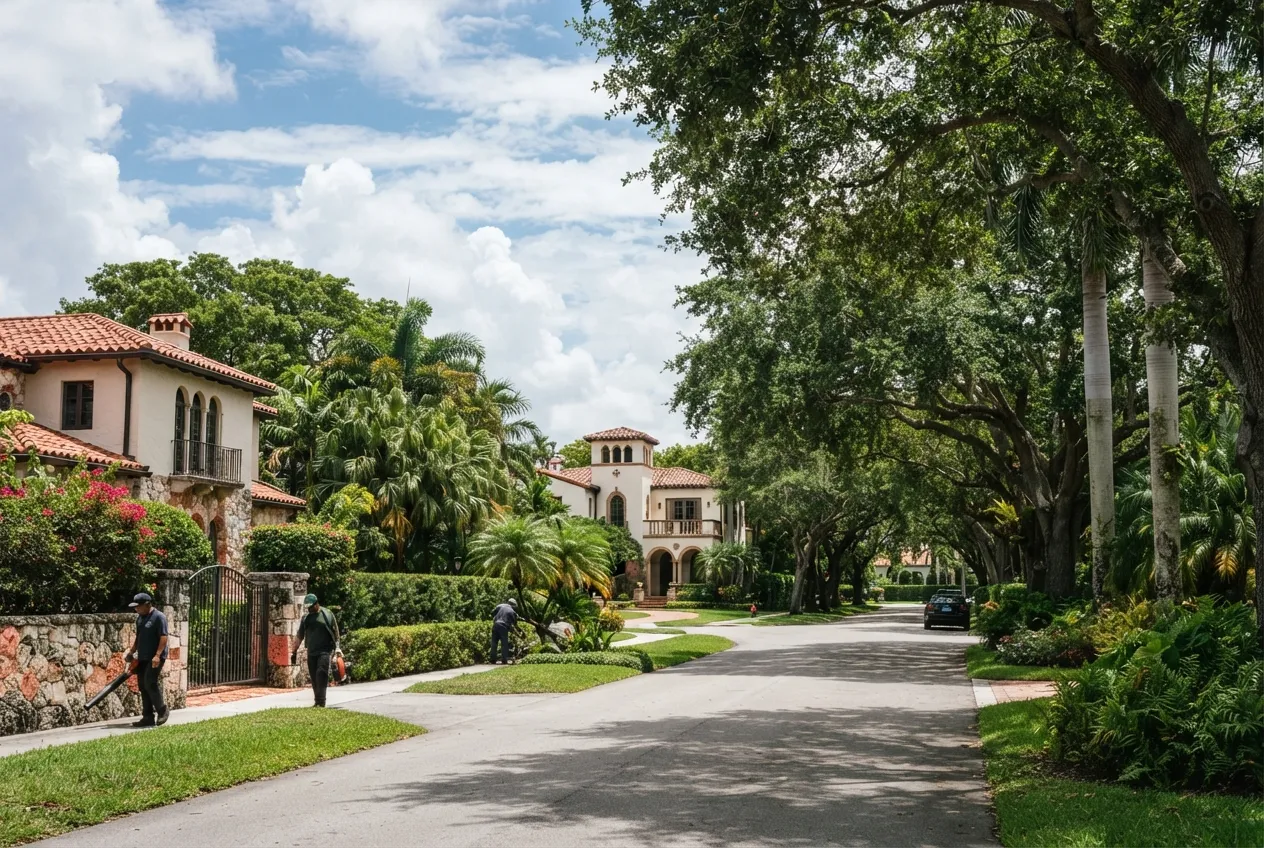
Sizing a New System for a Coral Gables Home
The most common installation mistake is copying the size of the old unit. Homes change over time. New windows, added insulation, a closed-in porch, or a converted garage all change how much cooling a house needs. Before we recommend equipment, we do a room-by-room load calculation that accounts for square footage, window area and orientation, insulation, ceiling height, and how many people live there.
Size matters even more here because of humidity. An oversized air conditioner cools the air quickly and then shuts off before it has removed much moisture. The thermostat says 75 degrees, but the house still feels damp. A correctly sized system runs longer, steadier cycles that pull water out of the air. That helps with comfort and with the musty smells and mildew that show up in closets and bathrooms during the wet season.
What We Check Before Quoting
Many Coral Gables homes have had several systems over the years, and the parts around the equipment often need as much attention as the equipment itself. Before we write a quote, we inspect the following and tell you plainly what is in good shape and what is not:
- Ductwork: leaks, crushed runs, poor insulation, and whether the duct size matches the airflow the new system needs
- Condensate drainage: the drain line, trap, and safety switch, since a clogged line can overflow into ceilings and walls
- Electrical: the breaker, disconnect, and wiring that serve the outdoor and indoor units
- Air handler location: attic, closet, or garage, and whether there is room for service access
- Outdoor unit placement: airflow clearance, a level pad, and how it is secured against high winds
- Thermostat: whether your current one works with the new equipment or should be replaced
Central AC or Heat Pump?
Most Coral Gables homeowners choose between a straight cooling air conditioner with electric heat strips and a heat pump. A heat pump cools exactly like an air conditioner in summer. On the few cool mornings between November and April, it heats by moving warmth from the outside air instead of running resistance heat, which generally uses less electricity.
We also discuss efficiency levels and variable-speed equipment. Variable-speed systems can run at low output for long periods, which is especially good at controlling humidity. We explain the trade-offs between upfront cost and operating cost so you can choose what fits your home and how long you plan to stay in it.
Installation Day and Storm Preparation
A typical replacement involves removing the old equipment, recovering the refrigerant properly, setting the new indoor and outdoor units, connecting refrigerant lines, drainage, and electrical, and then testing the system. We check refrigerant charge, airflow, and temperature drop across the coil, and we walk you through the thermostat and filter location before we leave.
Weather affects scheduling. From May through October, afternoon thunderstorms can pause outdoor work, so we plan around them when we can. The Atlantic hurricane season runs from June 1 to November 30. For that reason we pay close attention to how the outdoor unit is anchored and where it sits relative to standing water, and we show you how to shut the system off safely before a storm.
Rebates and Tax Credits
Florida Power & Light runs a Residential HVAC program that offers rebates on qualifying high-efficiency central air conditioners and heat pumps. The rebate is handled through participating contractors at the time of installation. Program terms change, so we confirm the current details before we include anything in your quote.
The federal Energy Efficient Home Improvement Credit, often called 25C, covered qualifying heat pumps placed in service before December 31, 2025. It is not available for new installations after that date, so it will not apply to a system installed now.