
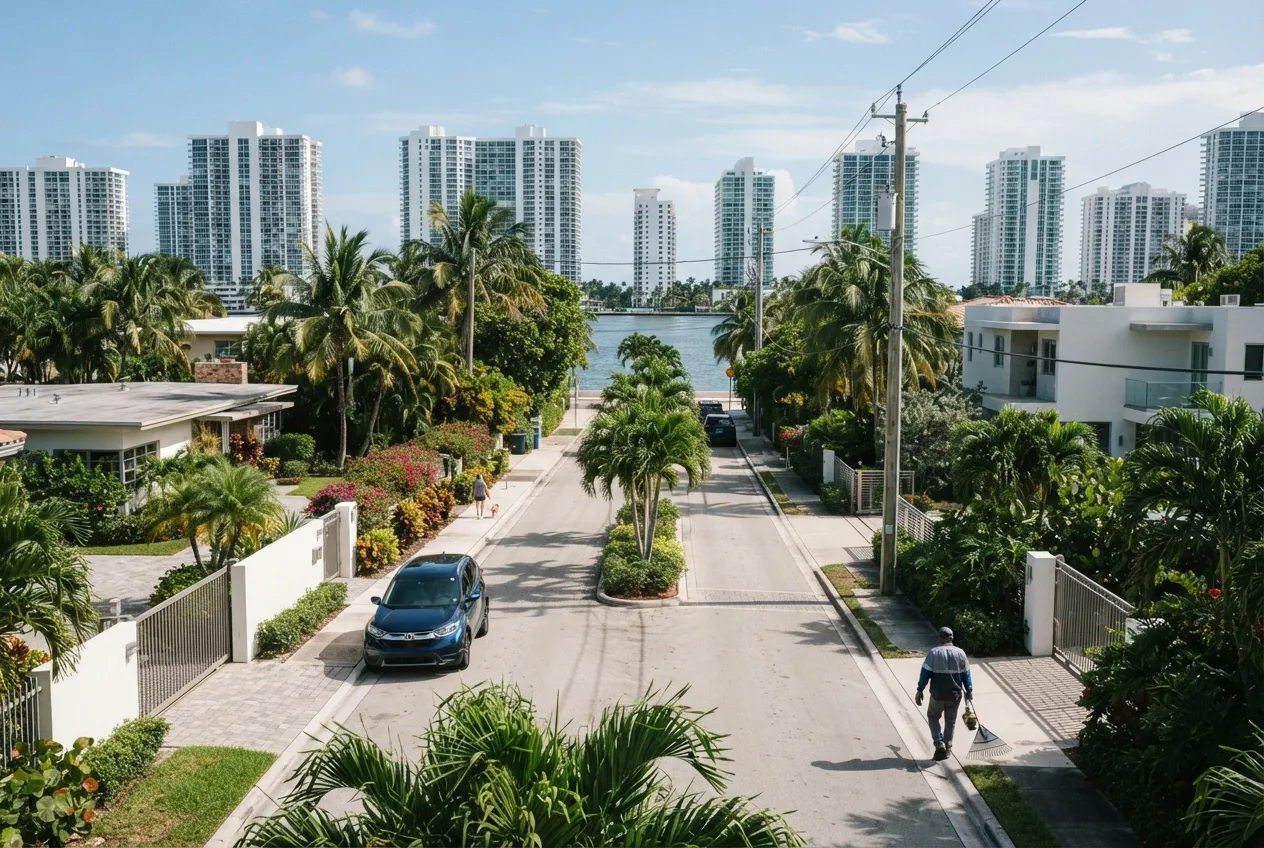
What "Furnace" Usually Means in a Sunny Isles Beach Home
In South Florida, the word furnace usually refers to the heating section of your air handler, the indoor unit that moves air through your ducts. In many homes that section is a bank of electric heat strips: coils of wire that glow hot when current passes through them, much like a toaster. Other homes use a heat pump, which pulls heat from outdoor air and moves it indoors. Heat pumps often have heat strips as a backup for colder mornings or for when the outdoor unit can't keep up.
Your thermostat can tell you which setup you have. If it shows settings like Aux Heat or Emergency Heat, you likely have a heat pump with backup strips. If it only offers Heat and Cool, you may have strip heat alone. Knowing this before we arrive helps, but we confirm it on site either way.
Heating Problems We Commonly Find
Because heat runs only part of the year here, problems tend to show up the first time someone switches it on after a long, hot summer. These are the issues we see most often:
- Burned-out heat strip elements or broken coil wires, so the system runs but only blows room-temperature air
- Failed sequencers or relays that keep the strips from turning on, or from turning off
- Tripped or worn breakers, especially in older electrical panels
- Heat pump reversing valves that stick in cooling mode
- Thermostats that are wired or set up incorrectly for heat pump operation
- A strong burning smell from dust that has settled on the strips over the off season
- Limit switches that shut the heat off early because of a clogged filter or blocked return
Why Coastal Homes See These Failures
Miami-area heat goes unused for long stretches. From May through October the air conditioning carries the load during the wet season, and the heating side sits idle in humid air. Moisture and salt air near the ocean can corrode electrical connections and terminals on components that rarely get exercised.
Storms play a role too. Hurricane season runs from June 1 through November 30, and power surges or outages during that time can damage control boards and relays. That damage may not show up until the first cool evening, when you ask the system to heat for the first time in months.
How a Heating Repair Visit Works
Our technician starts by confirming what type of heating system you have and checking the thermostat settings and wiring. Next we inspect the air handler: heat strips, sequencers, limit switches, breakers, and the blower that moves the warm air. On heat pump systems we also check the outdoor unit and confirm it switches between cooling and heating correctly.
Heat strips draw a lot of electrical current, so we measure voltage and amperage rather than guessing. Once we know the cause, we explain what failed and what the repair involves, and we don't start work until you approve it. Before leaving, we run the system in heat mode and confirm warm air is reaching your rooms.
Repair or Replace: Rebates and Tax Credits
A single failed relay or heat strip is usually worth repairing. If your air handler is corroded, your heat pump has major failures, or you are already planning to replace your cooling system, it may make sense to replace the whole system instead. We'll lay out both options plainly.
Florida Power & Light offers a Residential HVAC program with rebates on qualifying high-efficiency central air conditioners and heat pumps. The rebates are delivered through participating contractors at the time of installation, and we confirm the current terms before quoting them. Note that the federal Energy Efficient Home Improvement Credit for heat pumps applied only to systems placed in service before December 31, 2025, so it is not available for new installations now.
Areas We Serve Near Sunny Isles Beach
Along with Sunny Isles Beach, we handle heating and cooling repairs in North Miami Beach, Bay Harbor Islands, North Miami, Surfside, and North Bay Village. The same mix of heat strips, heat pumps, and coastal conditions applies throughout these neighborhoods.