
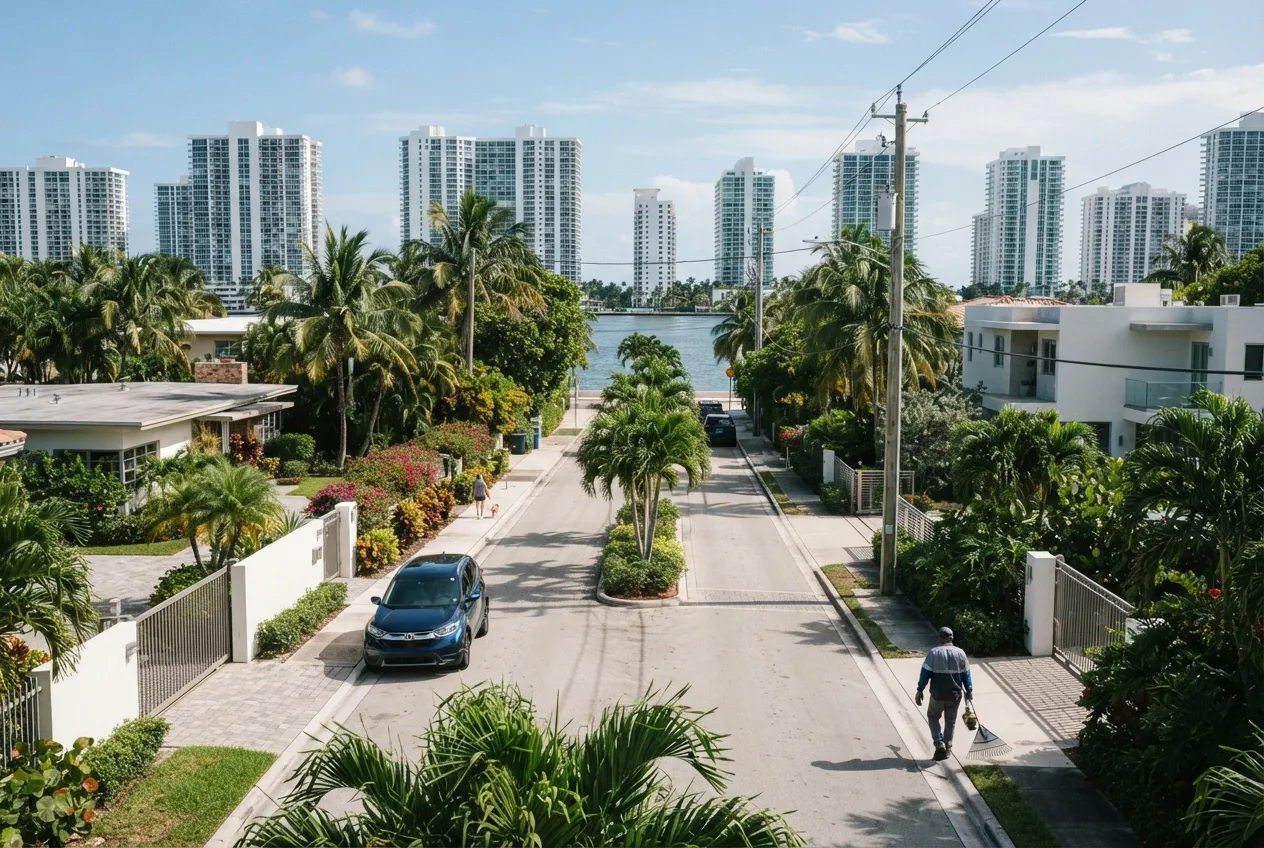
Sizing a System for Sunny Isles Beach Homes
Air conditioning in Miami-Dade County works hard. The wet season from May through October brings heat, humidity and frequent afternoon thunderstorms, and even the drier months from November through April usually call for cooling. A system that is too large cools the air quickly but shuts off before it pulls enough moisture out, which can leave rooms feeling clammy and encourage mildew. A system that is too small runs nonstop and still struggles on the hottest afternoons.
We size equipment with a load calculation based on your actual space rather than the tonnage of the old unit. In Sunny Isles Beach that often means looking closely at large windows and glass doors, sun exposure on each side of the home, ceiling heights, and how many people use the space.
We also look at the existing ductwork. Leaky or undersized ducts can undercut a new system, so we note any problems and tell you what we find before you decide.
Installing in Condos and Coastal Homes
Many homes in Sunny Isles Beach are units in multi-story buildings, while others are single-family houses near the water. Each setting changes how the job is planned.
- Condo units: we work within the mechanical closet, the existing air handler location and the condenser placement your building allows, and we coordinate access and work hours with building management.
- Association approval: many buildings require an approval request, an elevator reservation or specific work hours before an installation can start, so it helps to contact your association early.
- Salt air: outdoor equipment close to the ocean is exposed to salt spray that speeds corrosion, so we discuss coil options, protective coatings and placement that limits direct exposure.
- Drainage: high humidity means a steady flow of condensate, so we check that the drain line, pan and any safety switch are set up correctly.
What Installation Day Looks Like
Before installation, we walk through the space, confirm the equipment choice with you, and explain what will be removed and replaced. On installation day the crew protects floors and furniture along the work path, recovers refrigerant from the old system, and removes the old equipment.
After the new air handler and condenser are set, we connect the refrigerant lines, electrical and drain, then evacuate and charge the system. We test airflow, temperature split and drainage, set up the thermostat, and walk you through filter changes and basic upkeep before we leave.
Timing Your Installation Around the Weather
Hurricane season runs from June 1 to November 30, and the summer months are also when cooling demand peaks. Scheduling an installation in the cooler, drier part of the year, roughly November through April, usually gives you more flexibility and avoids being without cooling during the most humid stretch.
If your current system is failing in the middle of summer, we can still help. We will talk through whether a repair can carry you to a better time or whether replacement now makes more sense.
Rebates and Tax Credits
Florida Power & Light offers a Residential HVAC program with rebates on qualifying high-efficiency central air conditioners and heat pumps. The rebate is handled through participating contractors at the time of installation, and terms can change, so we confirm the current details before including them in any quote.
The federal Energy Efficient Home Improvement Credit (25C) applied to qualifying heat pumps placed in service before December 31, 2025. It is not available for new installations after that date, so it should not factor into plans for a system installed now.
Serving Sunny Isles Beach and Nearby Areas
Besides Sunny Isles Beach, we install air conditioning in North Miami Beach, Bay Harbor Islands, North Miami, Surfside and North Bay Village. If you are planning new systems for more than one property in the area, we can schedule the work together.