
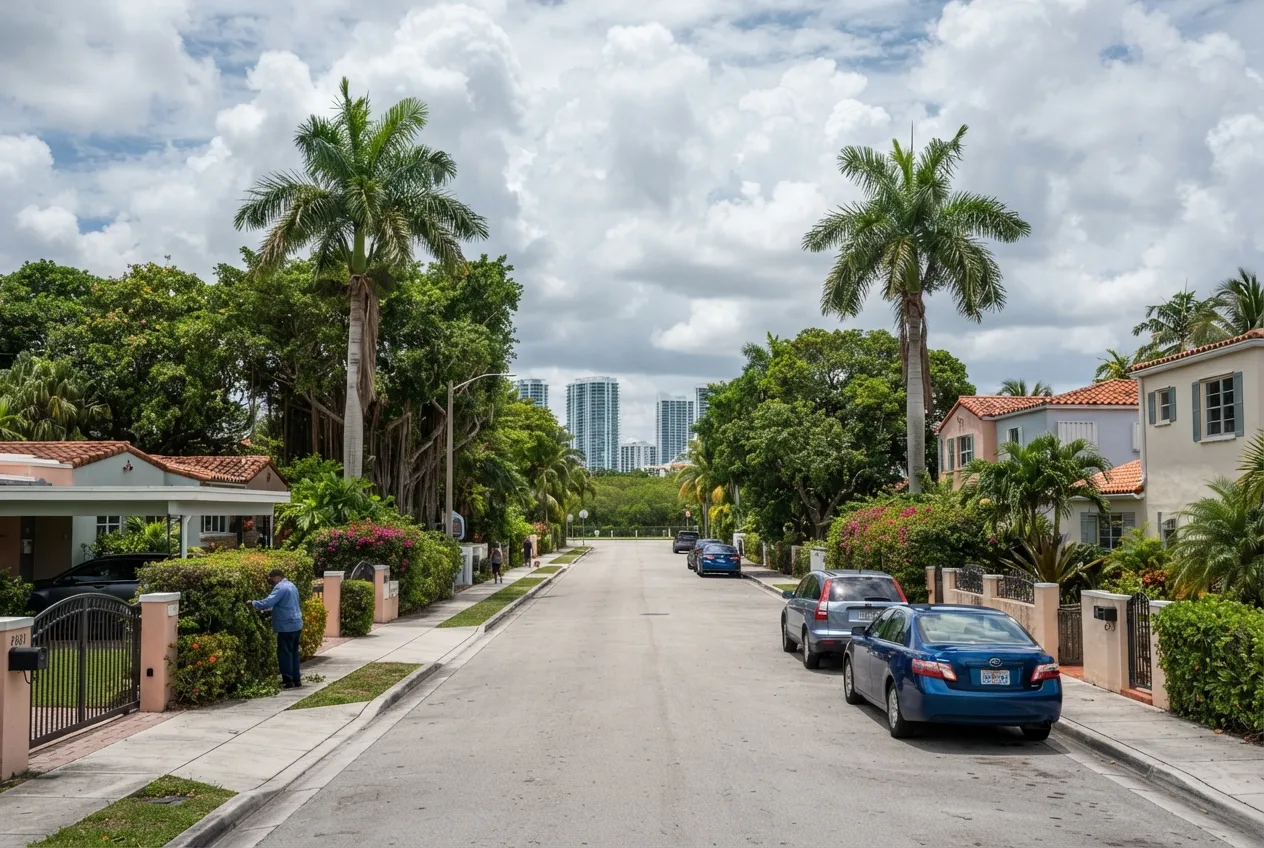
Why heat pumps suit North Miami homes
North Miami shares Miami Beach's tropical climate. From May through October, heat, humidity and afternoon thunderstorms keep air conditioning running hard. November through April is drier and sunnier, but most homes still need cooling for much of that stretch too. In practice, your system works almost all year.
A heat pump cools exactly like a central air conditioner. The difference is that it can also reverse to provide heat on the few cool mornings and evenings we get. For many homes, that means one outdoor unit handles both jobs, without a separate electric heat strip doing all the heating work.
- Cooling performance comparable to a standard central AC system
- Built-in heating for occasional cool weather
- Dehumidification during the cooling cycle, which matters in the wet season
- One outdoor unit to maintain instead of separate heating and cooling equipment
What we check before recommending a system
A heat pump that's too large cools the house quickly but shuts off before it pulls enough moisture out of the air, which leaves rooms feeling clammy. One that's too small runs constantly and struggles on the hottest afternoons. We size the system to your actual house instead of matching the label on the old unit.
During the site visit, we look at:
- Square footage, ceiling heights and room layout
- Windows, sun exposure and insulation
- The condition and layout of your existing ductwork
- Your electrical panel and whether it can support the new equipment
- Where the outdoor unit will sit, including drainage, clearance and access
- The indoor air handler location and condensate drain routing
Planning around storm season
The Atlantic hurricane season runs from June 1 through November 30, which overlaps with North Miami's hottest months. Outdoor units here face heavy rain, standing water and strong wind, so placement and mounting deserve real attention.
We discuss where the condenser should sit, how it should be secured, and how to keep it out of spots where water collects. If your timing is flexible, installing outside peak summer usually means less disruption to your comfort, though we install year-round when an old system fails.
How installation day works
Most single-system replacements in North Miami homes are completed in a day, though duct changes, electrical upgrades or a new equipment location can extend the job. We'll tell you what to expect before work starts.
On installation day, our technicians protect floors and work areas, remove the old equipment, set the new outdoor unit and indoor air handler, connect refrigerant lines, electrical and condensate drainage, and then start the system. Before we leave, we check airflow and operation in both cooling and heating modes, and walk you through the thermostat and basic upkeep like filter changes.
Rebates and tax credits: what applies now
Florida Power & Light runs a Residential HVAC program that offers rebates on qualifying high-efficiency heat pumps and central air conditioners. These rebates are handled through participating contractors at the time of installation. Program terms can change, so we confirm the current details before including anything in your quote.
The federal Energy Efficient Home Improvement Credit, often called 25C, covered qualifying heat pumps placed in service before December 31, 2025. It is not available for new installations after that date, so it shouldn't factor into your planning for a new system today.