
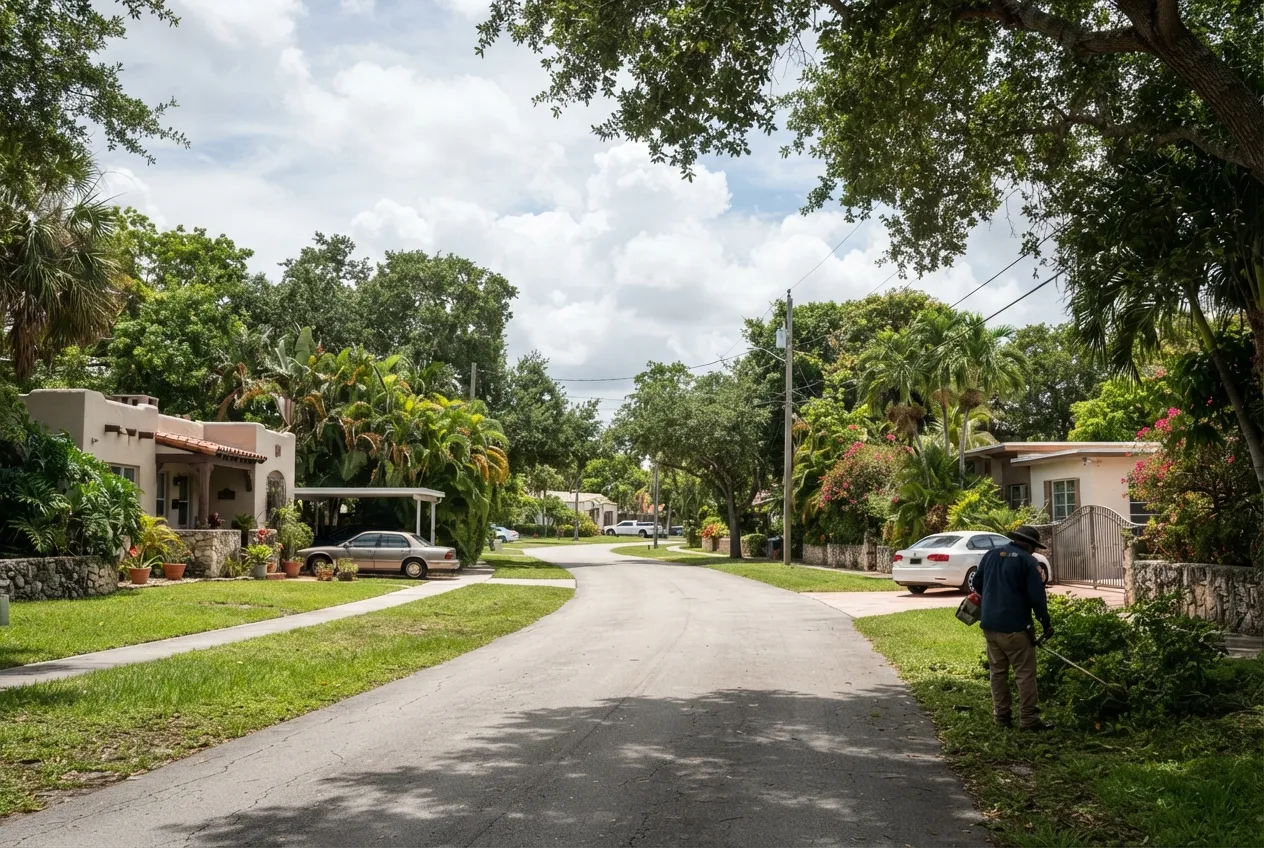
Why a Heat Pump Fits a Miami Springs Home
Miami-Dade County has a tropical monsoon climate. From May through October, the wet season brings humid air and frequent afternoon thunderstorms. November through April is sunnier and drier, but it is still warm enough that most homes keep the air conditioning running. That means your system spends far more hours cooling than heating.
A heat pump is built for that pattern. In cooling mode it works the same way a central air conditioner does, so you are not giving up comfort in summer. When a cold front comes through and the house feels chilly, the system simply runs in reverse. For many homeowners replacing an aging AC with electric heat strips, a heat pump is a straightforward swap that uses one piece of equipment for both jobs.
Humidity control is the other big reason. A correctly sized heat pump runs longer, steadier cycles, which pulls more moisture out of the air. That helps with the sticky feeling, musty closets, and condensation that are common in humid months.
Sizing and Planning the Right System
The most common installation mistake we see is a system that is too large. An oversized heat pump cools the house quickly, shuts off, and leaves moisture behind. Before we recommend equipment, we look at how your specific home gains and holds heat.
- Square footage, ceiling height, and room layout
- Window size, direction, and shading
- Attic insulation and how well the home is sealed
- Condition, size, and leakage of your existing ductwork
- Where the indoor air handler sits and how it drains
- Your electrical panel and whether it can support the new equipment
- Rooms that run hot or humid today, so we can address the cause
Placing the Outdoor Unit for Storms and Heat
The Atlantic hurricane season runs from June 1 to November 30, so we plan every outdoor unit with wind and heavy rain in mind. We set the condenser on a level, stable pad, secure it properly, and keep it raised enough to stay clear of standing water after summer downpours.
We also think about airflow. The outdoor unit needs open space around it to release heat efficiently. We avoid tight corners, spots under dripping rooflines, and places where yard debris or overgrown plants will choke the coil. Good placement keeps the system running efficiently during the hottest weeks of the year and makes future maintenance easier.
Inside, we pay close attention to the condensate drain. With an air conditioner running most of the year, a clogged or poorly sloped drain line can cause water damage. We route it correctly and make sure the safety switch is in place.
Rebates and Tax Credits to Know About
Florida Power & Light runs a Residential HVAC program that offers rebates on qualifying high-efficiency central air conditioners and heat pumps. These rebates are handled through participating contractors at the time of installation, not after the fact. Program terms change, so we confirm the current requirements before we quote anything and will tell you which models qualify.
Many homeowners still ask about the federal Energy Efficient Home Improvement Credit, often called 25C. That credit covered qualifying heat pumps placed in service before December 31, 2025. It is not available for new installations after that date, so it should not factor into a heat pump purchase today.
What Installation Day Looks Like
Most of the work happens in a single visit, though duct repairs or electrical updates can add time. We walk you through the plan before we start and keep the work areas protected and tidy.
- Safely recover refrigerant and remove the old equipment
- Set and secure the new outdoor unit and indoor air handler
- Connect refrigerant lines, electrical, and the condensate drain
- Seal duct connections at the air handler
- Install and set up your thermostat
- Test cooling and heating modes, airflow, and drainage
- Show you how to use the system and when to change the filter